


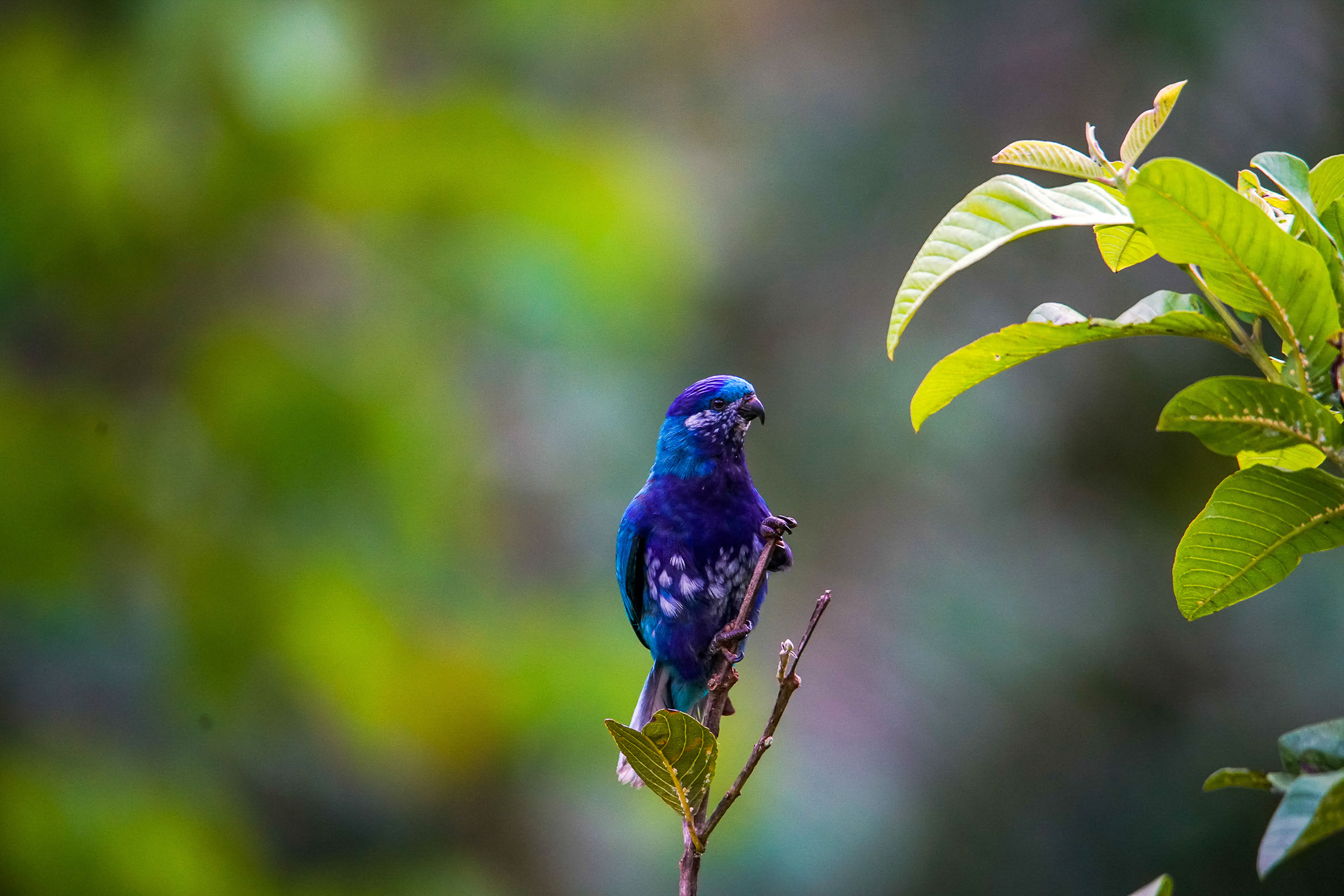

Beyond its lagoons and idyllic landscapes, French Polynesia is home to a biodiversity found nowhere else in the world. The isolation of its islands has allowed rare endemic birds to evolve, birds found nowhere else on Earth. Fragile and precious, these birds embody the untamed spirit of the Polynesian archipelagos.
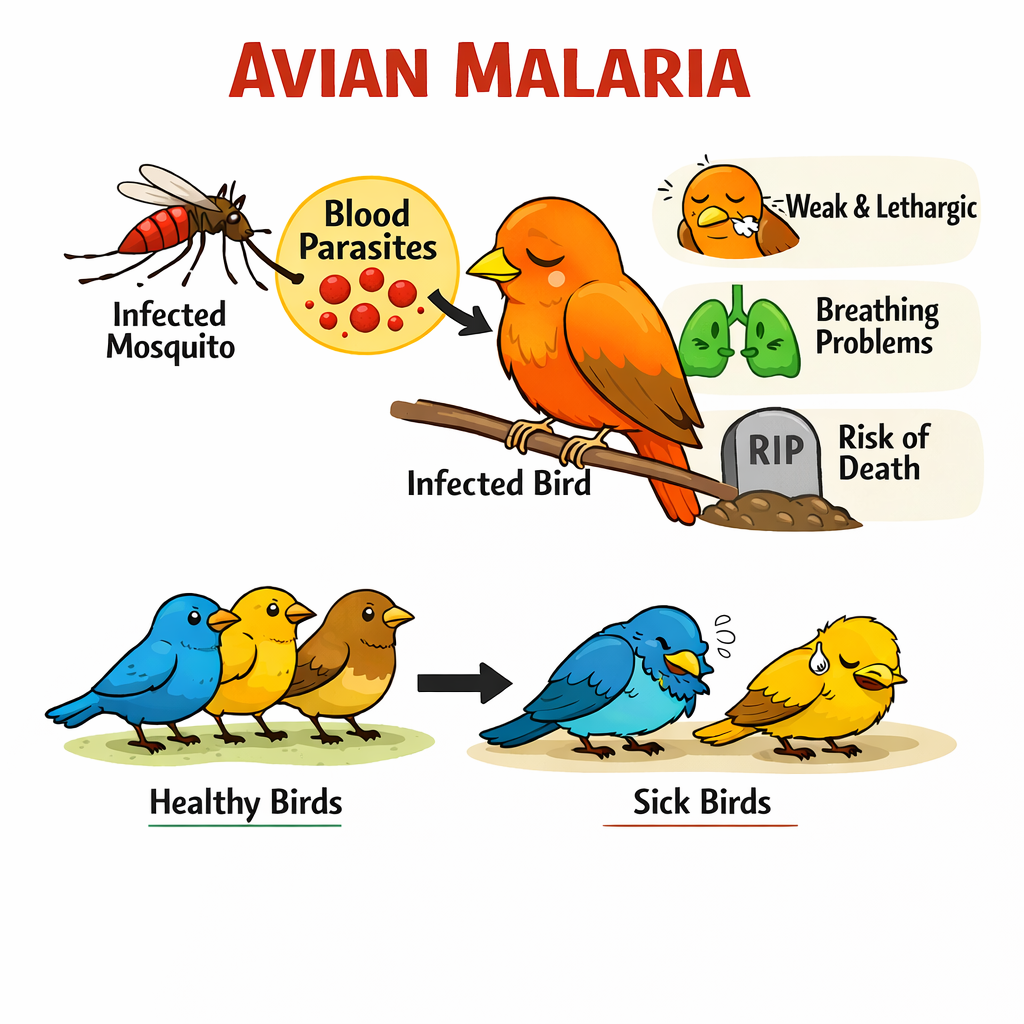
To preserve this exceptional biodiversity, several conservation and scientific monitoring programs are being carried out on certain remote atolls to protect endemic species. All these species face similar threats related to parasitic diseases such as “avian malaria,” and to introduced predators, notably black rats and feral cats (domestic cats that have reverted to a wild state), which prey on the eggs, chicks, and adults of island birds and contribute to the decline of many populations.
Here are some of the most iconic species found on our islands :
1. The Tahitian Monarch (Pomarea nigra) :
The Tahitian Monarch, or “’ōmāma’o” as it is known in Tahitian, is a small black passerine bird endemic to the island of Tahiti. Today, it is found only in three isolated valleys on the west coast : Hopa (town of Paea), Papehue and Maruapo (town of Punaauia), deep within rainforests rich in native vegetation.
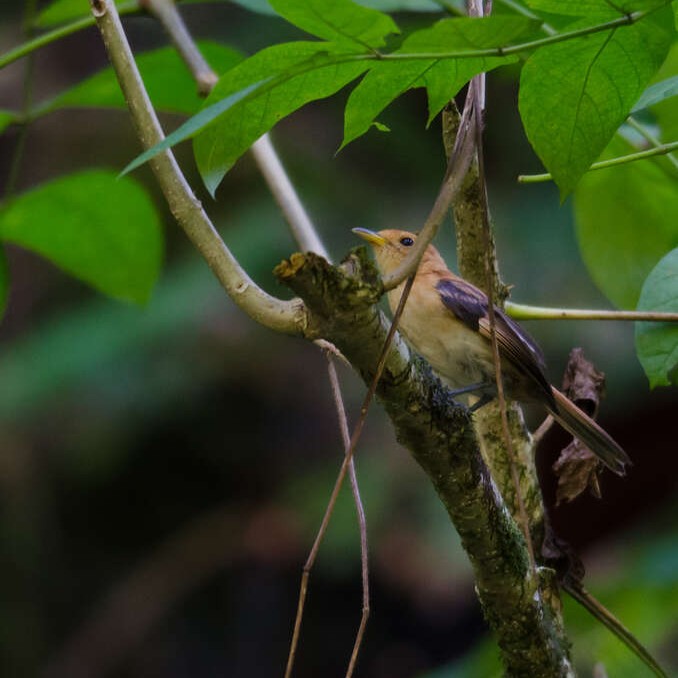
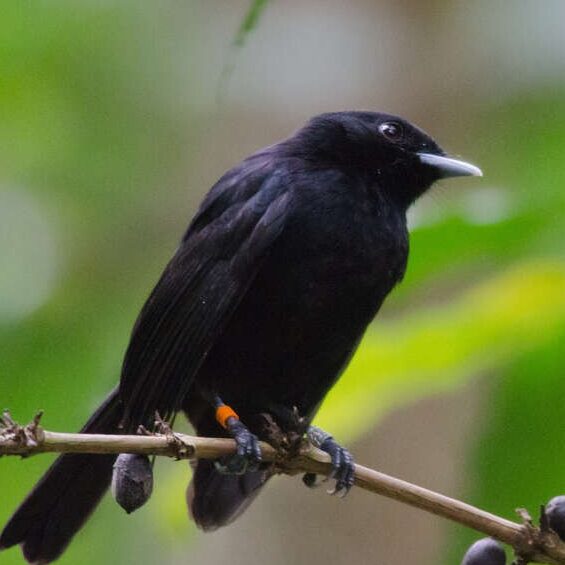
The Tahitian Monarch is a small forest passerine about 15 cm long, whose plumage changes with age, juveniles are initially cinnamon-brown before turning entirely black as adults, with characteristic blue-gray beaks and legs. It feeds mainly on small insects that it catches in the foliage and on the ground, playing a key role in the balance of its ecosystem.
Its population is extremely small, with an estimated fewer than 50 individuals, due to habitat destruction and the presence of introduced predators such as rats, cats, and yellow ants. To protect the Tahitian monarch butterfly, local programs are taking action on several fronts: controlling invasive species, monitoring populations, raising public awareness, and restoring its habitat.
The Tahitian Monarch is now a poignant symbol of critically endangered species in the Polynesian islands. It reminds us why protecting the island’s exceptional wildlife is essential.
2. Fatu Iva Monarch (Pomarea whitneyi) :
The Fatu Hiva Monarch, or ” ‘oma’o keekee “, is a small passerine bird endemic to the island of Fatu Hiva in the Marquesas Islands. It lives exclusively in a few areas of dense, humid forest, where it finds shelter and food.
This bird, which is about 19 cm long, is distinguished by its entirely black plumage as an adult, its slate-blue beak, and its blue legs. It feeds mainly on insects and occasionally supplements its diet with small geckos, thereby contributing to the balance of its ecosystem.

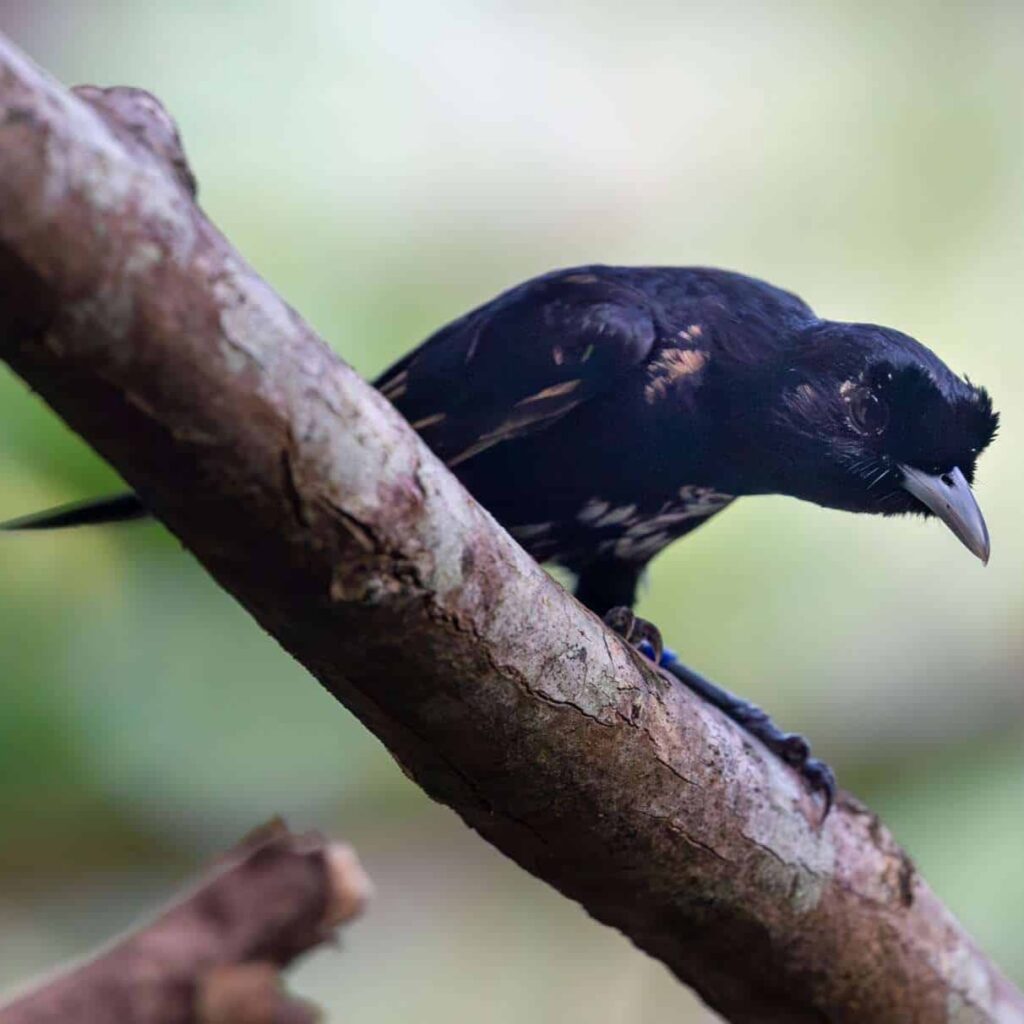
Its population is extremely small, with an estimated population of only a few dozen individuals, and is threatened by : deforestation, human development, parasitic diseases such as ” avian malaria “, introduced predators, and invasive plants such as Miconia. Its survival depends on the protection of its habitat and local conservation programs.

The Fatu Hiva Monarch is much more than just a rare bird. It embodies the biological and cultural richness of the Marquesas Islands.
3. The Tuamotu Knight (Prosobonia parvirostris) :
The Tuamotu knightbird known as “ titi ” by the locals, is a small wading bird endemic to the Tuamotu Archipelago in French Polynesia. Discreet and rare, it is one of the species that symbolize the unique biodiversity of these coral atolls. This species is found primarily on sandy beaches, dunes, and areas of low vegetation on atolls, where it nests directly on the ground.
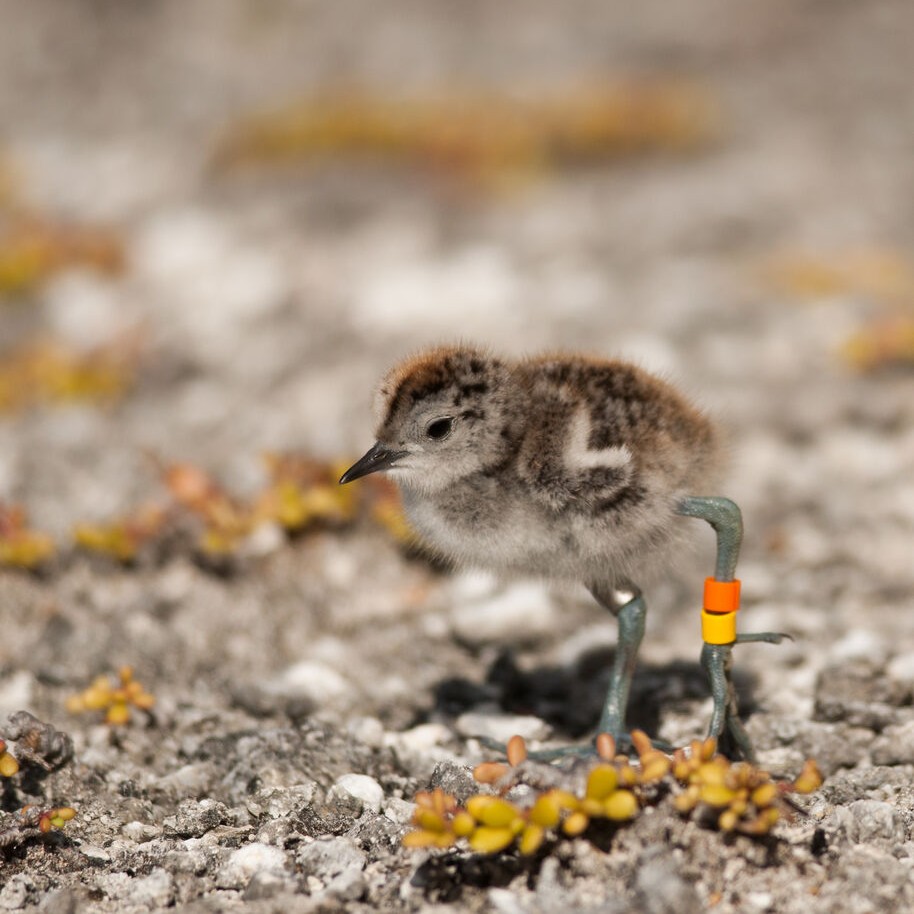
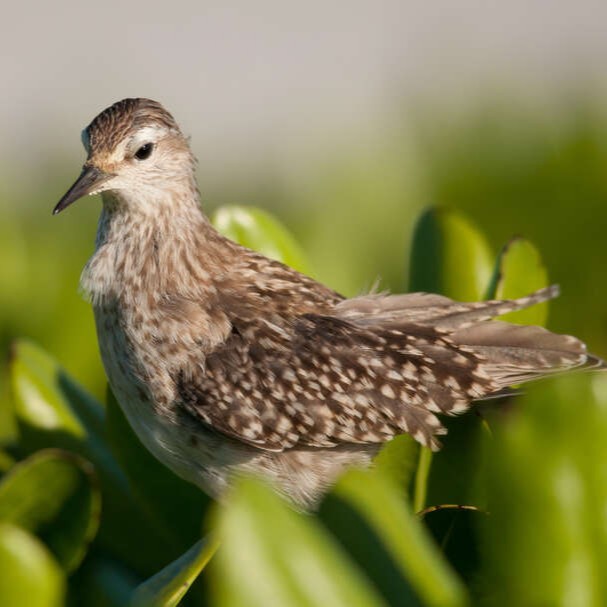
The titi measures about 17 cm and feeds mainly on insects and small invertebrates that it finds in the sand and vegetation. The female is slightly larger than the male. Its plumage is mottled brown, lighter on the belly, throat, and breast. It has a slender, straight beak and long legs, the color of which varies from bird to bird.
Today, the Tuamotu knightbird is classified as Endangered by the International Union for Conservation of Nature (IUCN). Its survival is threatened by the presence of introduced species, the fragility of its natural habitat, and environmental changes affecting the atolls. He’s presence is a testament to the natural richness of the atolls. Preserving this species directly contributes to the protection of these unique island ecosystems.
4. The Gambier’s Kingfisher (Todiramphus gambieri) :
On the atoll of Niau, in the Gambier Islands, lives an endemic species of rare charm : the Gambier Kingfisher, or “ Kote’uteʻu ” in Paumotu. This small bird measures 17 cm in total length. The kingfisher’s crown, back, wings, and tail are electric blue. Its belly is white, while its head, nape, and neck are more or less marked with reddish tones, depending on the individual.
This kingfisher nests in the hollows of coconut palms and coastal shrubs, often a few meters above the ground, and feeds mainly on arthropods and small reptiles, which it catches on the ground or in the vegetation.


Classified as critically endangered, the Kote’ute’u has a very small population. Efforts to protect its habitat and raise awareness among local communities are underway on the atoll of Niau
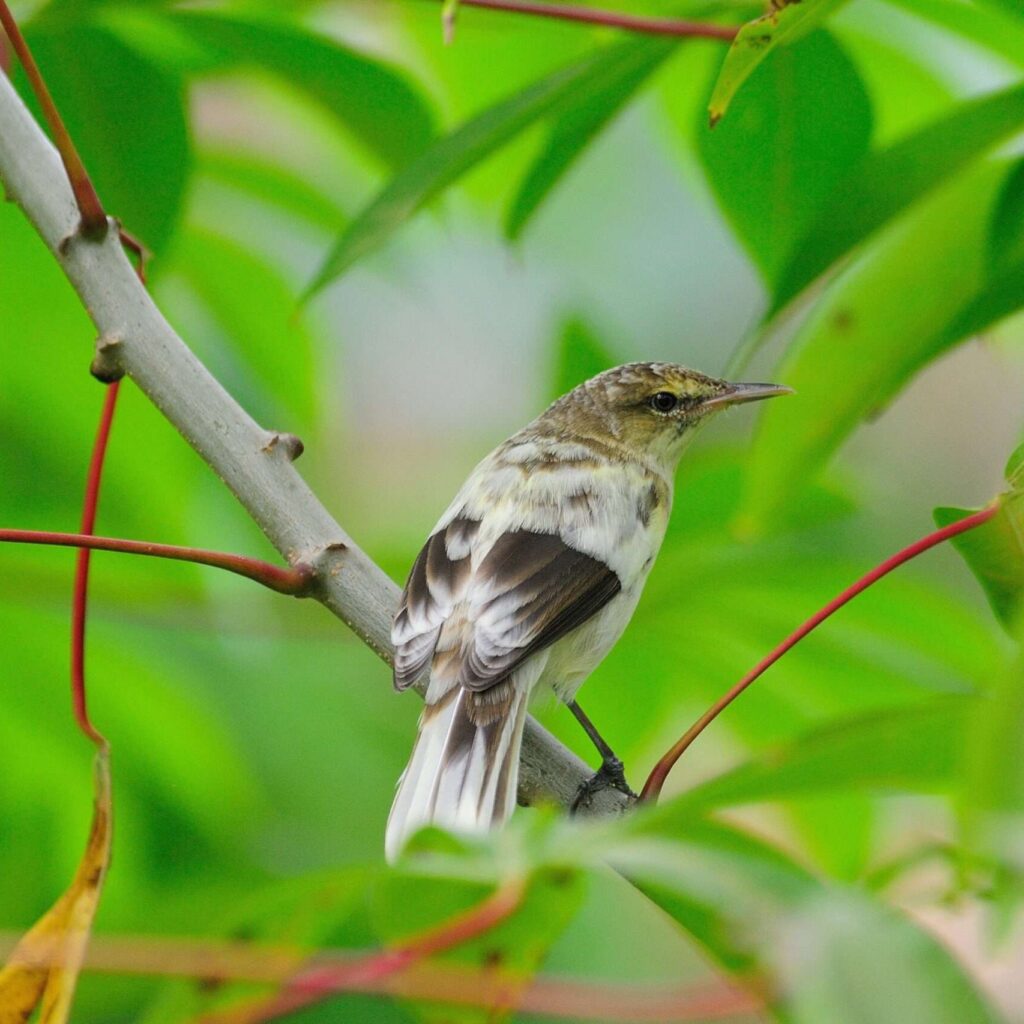
5. Rimatara Reed Warbler (Acrocephalus aequinoctialis) :
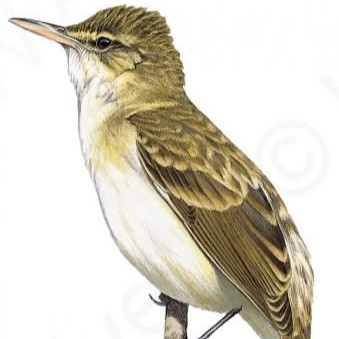
In the lush, remote valleys of Rimatara Island lives a small, unassuming yet remarkable passerine : the Rimatara Reed Warbler, known locally as “’Oroma‘o.” This small, 17-centimeter-long endemic bird, with light olive-brown plumage on its back and beige on its belly, has a slender, slightly curved beak that allows it to capture its prey with precision.
The ’oroma‘o is confined to less-frequented areas, such as wooded ravines, thickets, raised coral formations (feo), and traditional gardens. It is in these semi-natural habitats that it feeds primarily on insects, invertebrates, and occasionally nectar, quietly contributing to local pollination. Although classified as critically endangered, this species is extremely vulnerable.
6. Kuhl’s lory (Vini kuhlii) :
With its striking red and green plumage, the Kuhl’s lory, or “ ’Ura ” in Polynesian. Is a small, iconic parrot native to the Pacific Islands, measuring 18 cm. Its sturdy beak and vibrant colors make it an easily recognizable bird, prized for its unique beauty.
Found only on a few islands, such as Rimatara (Austral Islands), Teraina (Kiribati), and Atiu (Cook Islands), the ‘ura inhabits forests, feo areas, and mixed gardens, where it feeds primarily on nectar, pollen, seeds, young shoots, and occasionally insects, thereby contributing to the pollination of local plants.


Listed as Endangered by the IUCN, the Kuhl’s lorikeet is under threat. This small, colorful parrot is much more than just a tropical beauty: it plays a vital role in pollination, agriculture, and the survival of island forests.
So when visiting French Polynesia, you don’t just discover spectacular landscapes, you also encounter biodiversity of exceptional rarity. This fragile treasure, a symbol of the islands’ natural identity, is now seriously threatened. That is why every conservation effort counts, ensuring that these unique species continue to sing and thrive in their island habitats for generations of travelers to come.